Inspirational Flashes
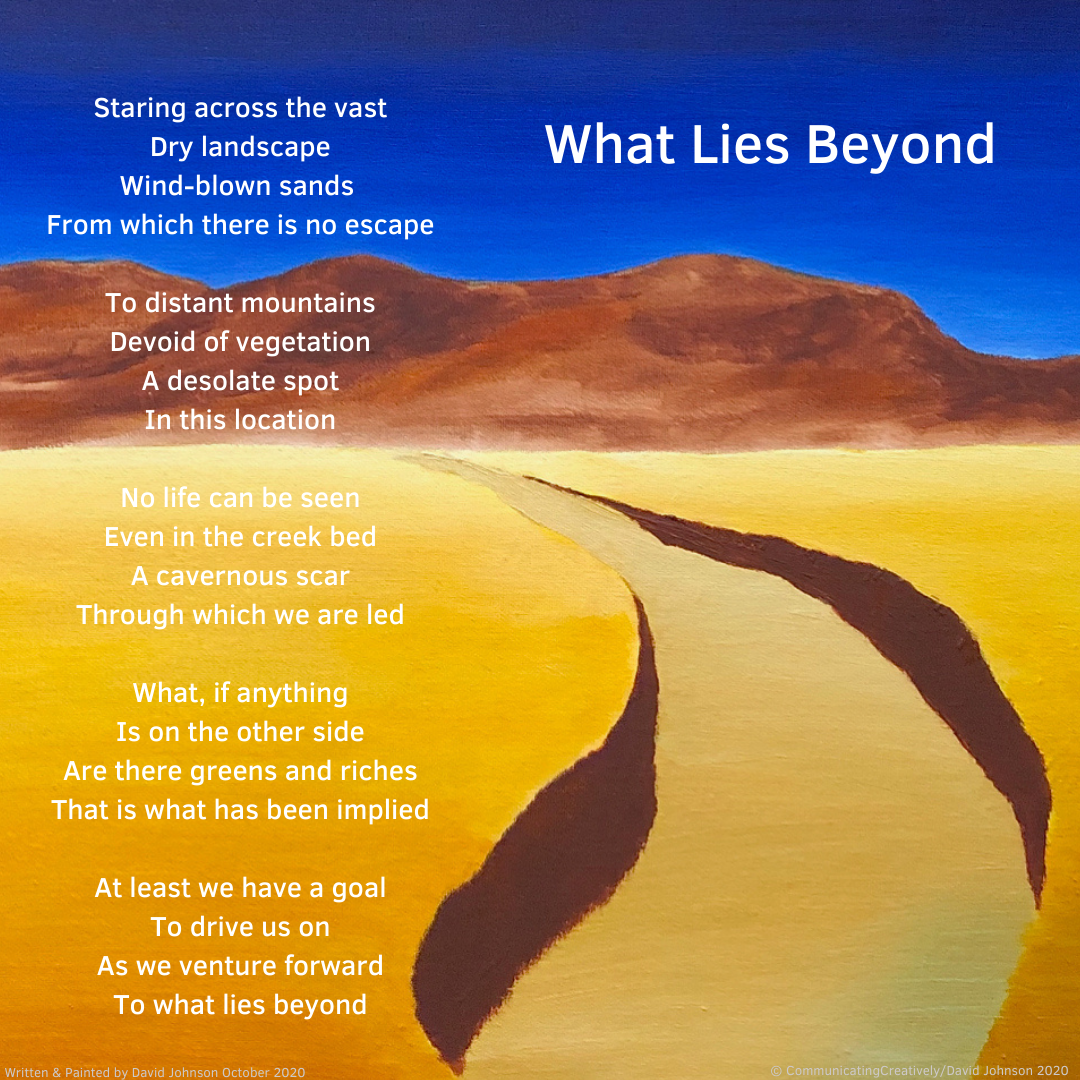
I love the freedom Sketching and Painting gives me.
One basically starts off with no image on canvas or paper. You might have an image in mind and then you set about creating it from your imagination or a memory, or indeed a combination of both.
If you are using a reference photo you already have a basic framework though, generally speaking and unless you are into Photo Realism, you will come up with an interpretation of the image at hand.
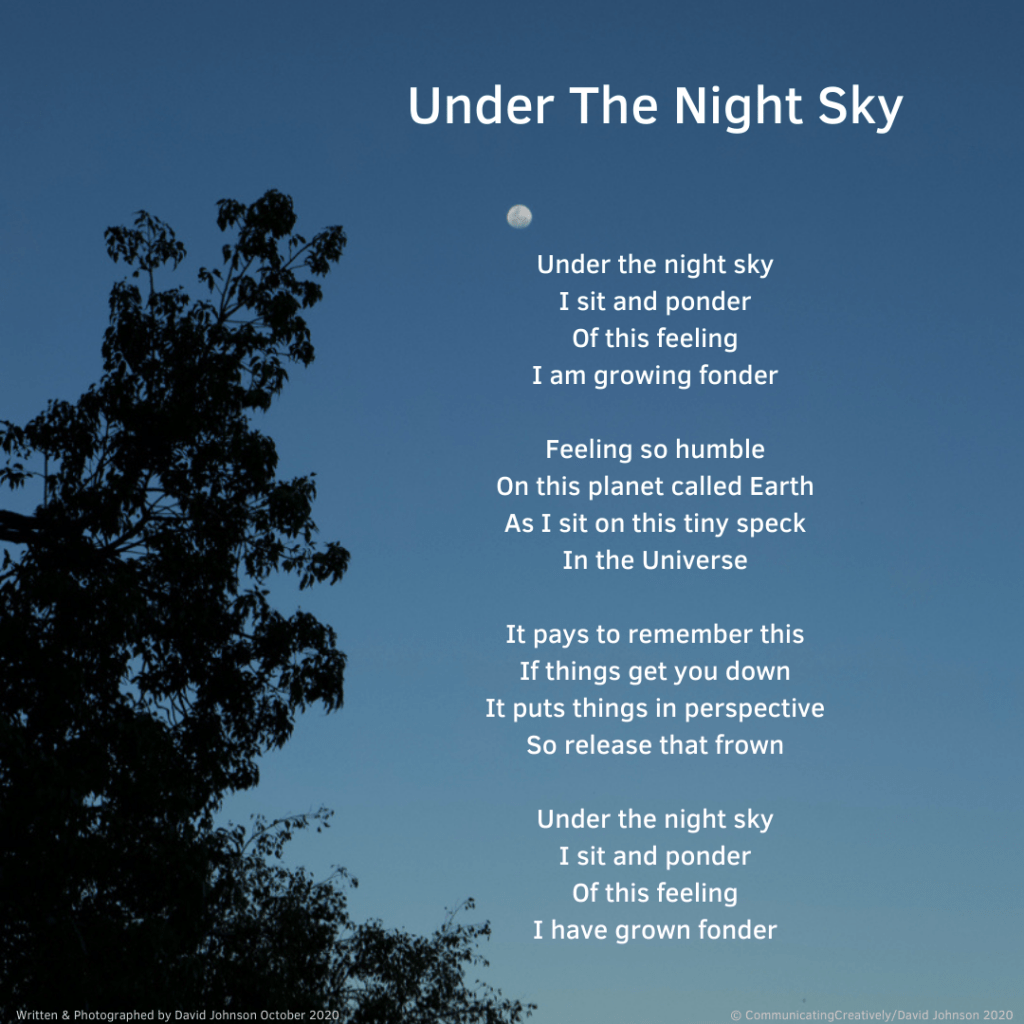
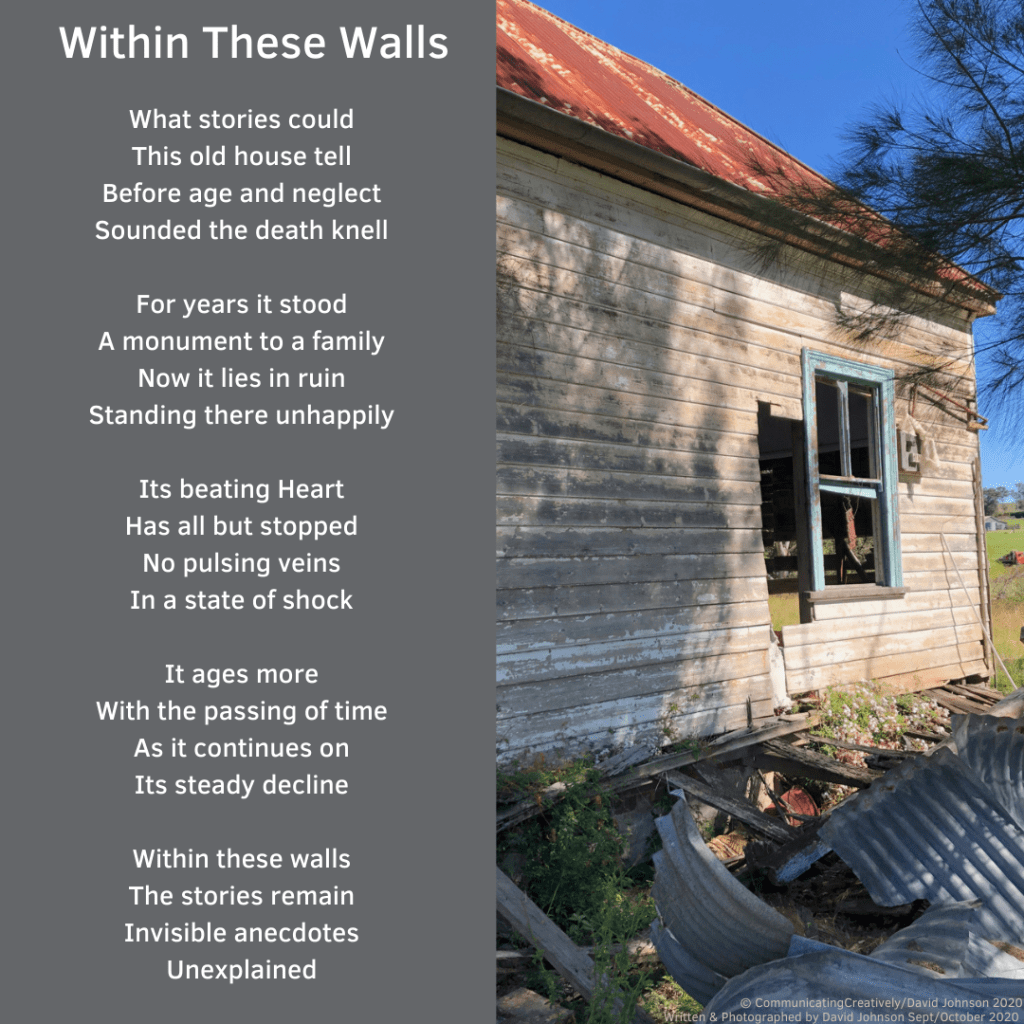
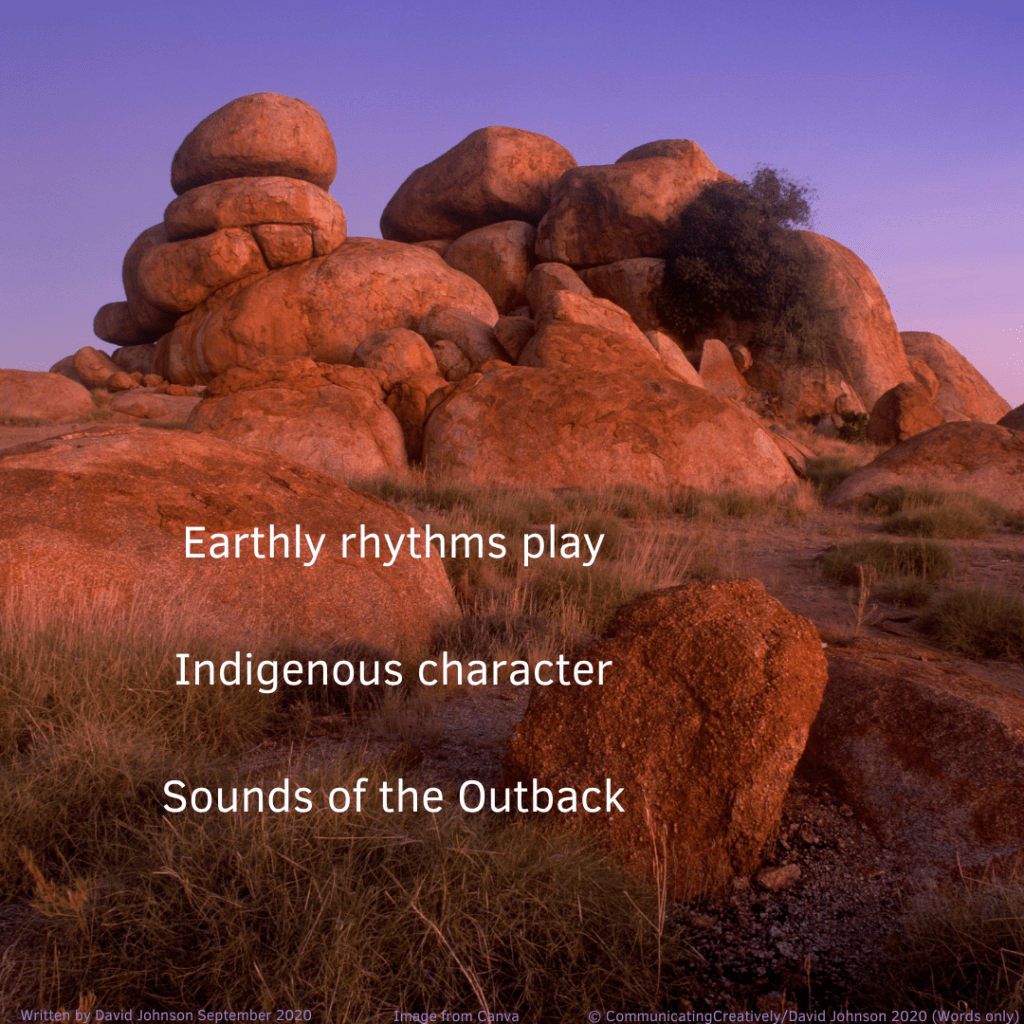
The Photographer has a scene before them. Certainly, (they can create an image in Photoshop from other images) but they don’t have to create shadows or the image when they are ‘live’ to a scene.’ Many scenes are already presented.
They choose the composition and begin shooting.
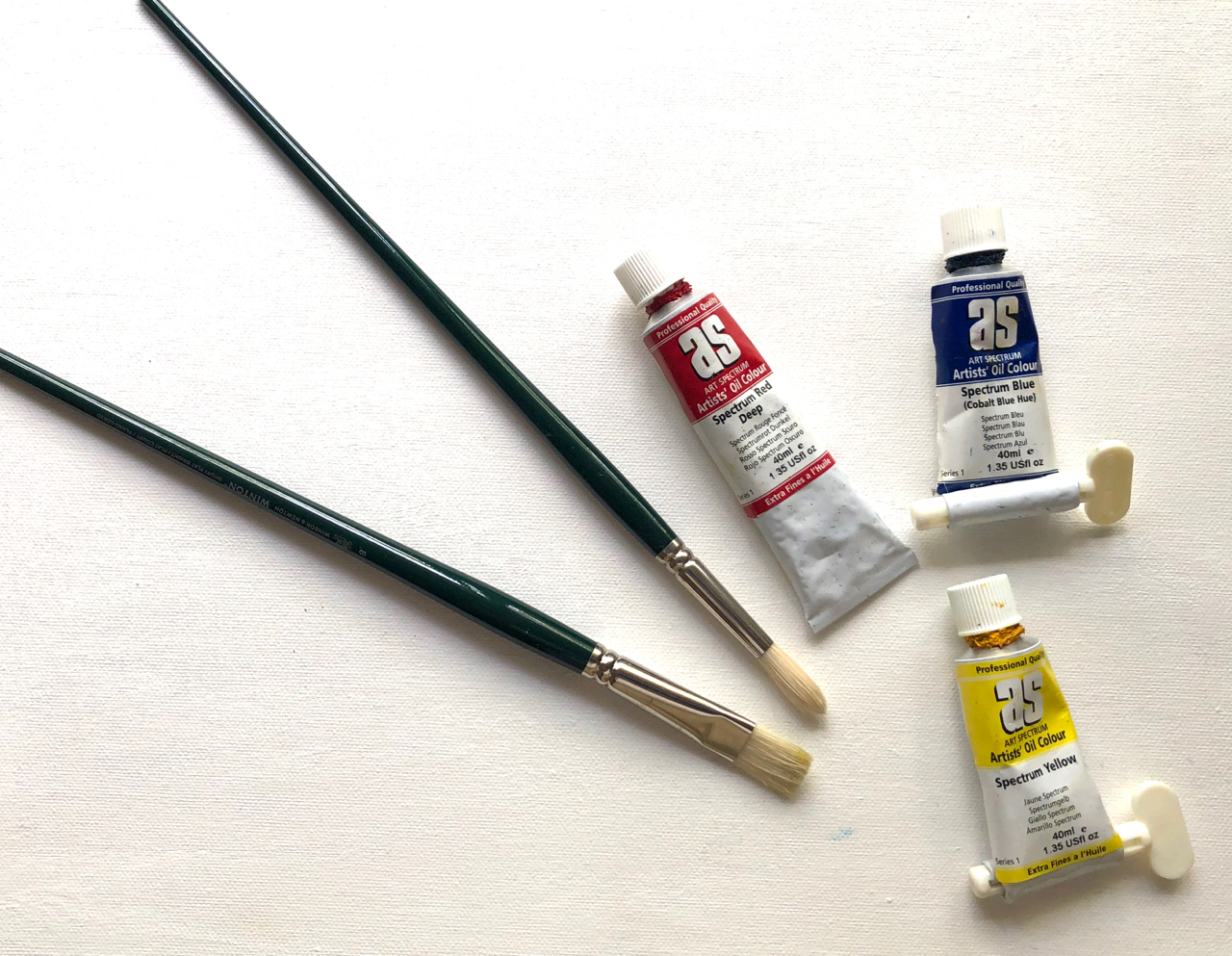
The Painter on the hand has to sketch/draw (mostly) the contents of the image, creating the effect of shadows, light, shape, texture and form with essentially 3 things, canvas, brush, pigment and a skilful hand.
Painting en Plein Air is the closest relation to Photography, I feel. Both the Painter and the Photographer have a scene in front of them and it is up to them what they distill from that scene, composition-wise to come up with an image.
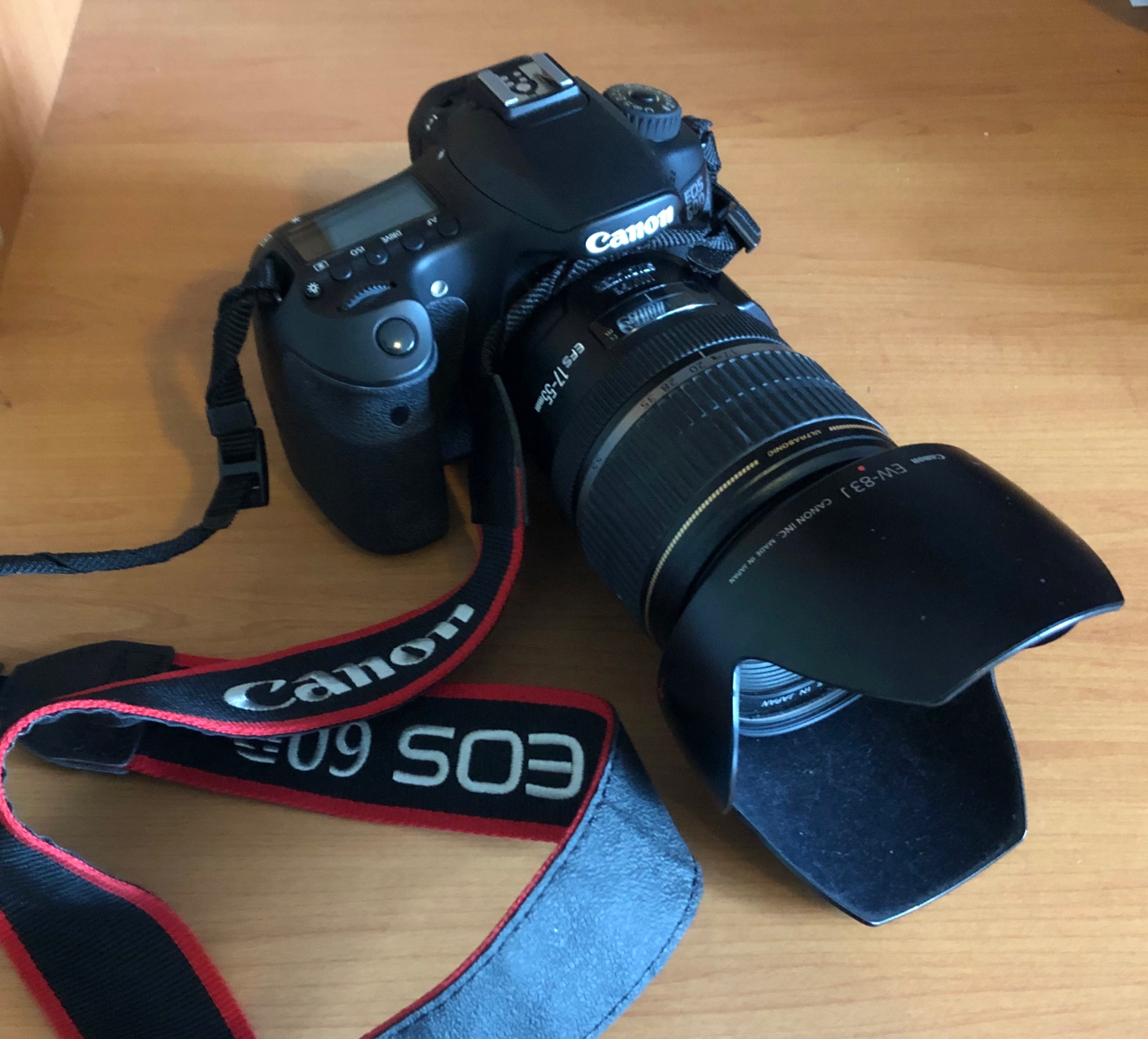
The Photographer manipulates through camera, lens, lighting, angle, filter and later Photoshop or similar, using their imagination as well.
The Painter manipulates with their choice of canvas/paper, brush, pigment, line, angle, light and uses their imagination as well.
Back in the studio both can finish off their piece.
I’m not trying to say that Painting is better or is more creative than Photography though as each medium is irreplaceable. Painting cannot replace the immediacy of Photography. Photography can capture that ‘moment in time’ in less than a second, Painting cannot.
On a personal level, I have been photographing since the early 1980’s, although not as much these days. Sketching and Painting has certainly taken over, particularly in the last 2 years.
One of the things that I love about Sketching and Painting is the freedom it gives me and also the challenge of creating an image using basic tools.
In an article a while ago I wrote called, ’There Are No 36 Megapixel Brushes’ I wrote about how someone can take a photo with something as simple these days as a phone camera and, due to the technology available, come with a technically decent image. Composition/imagination is another story, however.
As a Sketcher/Painter, we cannot go out and buy a Brush and Pigment that will give us a technically brilliant sketch or painting.
Yes, there are electronic Sketching and Painting apps but you still have to have the technical and artistic skill to create the image.
I still love Photography but it takes up a different place in my life these days. Equipment-wise, I’m heading towards Mirror-less cameras and a high-end compact that I can take anywhere.
I’m thoroughly enjoying my journey in Sketching and Painting and I can see myself continuing this journey for many years to come.
Written by David Johnson
11 October 2020
Urban sketches, etchings, watercolours, pen and ink.
A Daily Visual Journal
Practical advice for a happier, fuller, and more meaningful life
INSPIRATIONAL KWOTES, STORIES, and IMAGES
Malaysian author and storyteller
Welcome to my mind. Watch the first step, it's a doozy.
A learner for life….wants to live fully….destination matter so does the journey…every movement to feel alive…and die with peace in eyes…being me…
A look at life, achieving good physical and mental health and happiness
embrace the magic
Just another WordPress.com site
A place where words come alive
Learn more about an independent artist who creates a unique style of music all his own.
Discovering the joy of art
Writing, Poetry, book reviews, interviews, music reviews, contests, art
Mostly photographs with some words by this arty scientist...
Artist by choice, photographer by default, poet and author by accident.
"Rêve onirique & Bulle d'évasion"
Life is all about being curious, asking questions, and discovering your passion. And it can be fun!
By JMACTHEDREAM
Adevărata graniţă a libertăţii este gândirea. - Juliana Mallart
Listen to your inner self..it has all the answers..
For the love of pens, paper, office supplies and a beautiful place to work
Pens, inks, notebooks and other accessories
Adventures in Watercolor Painting and Sketching, Watercolour Magazine, with Charlie O'Shields
Poetry From the Heart!
News, Tips & Website Tutorials
Become the oil and wine in today's society.
I want to be rich. Rich in love, rich in health, rich in laughter, rich in adventure and rich in knowledge. You?
If you want to be a hero well just follow me
I dream so I write ..
Musings on poetry, language, perception, numbers, food, and anything else that slips through the cracks.
Jane Lurie Photography
An Independent Nondiscriminatory Platform With No Religious, Political, Financial, or Social Affiliations - FOUNDED 2014
Random Ravings from an Old Bloke Down Under
By Periwinkleblur
Author, Blogger, Social Media Jedi
Where observation and imagination meet nature in poetry.
Original poetry, commentary, and fiction. All copyrights reserved.

